
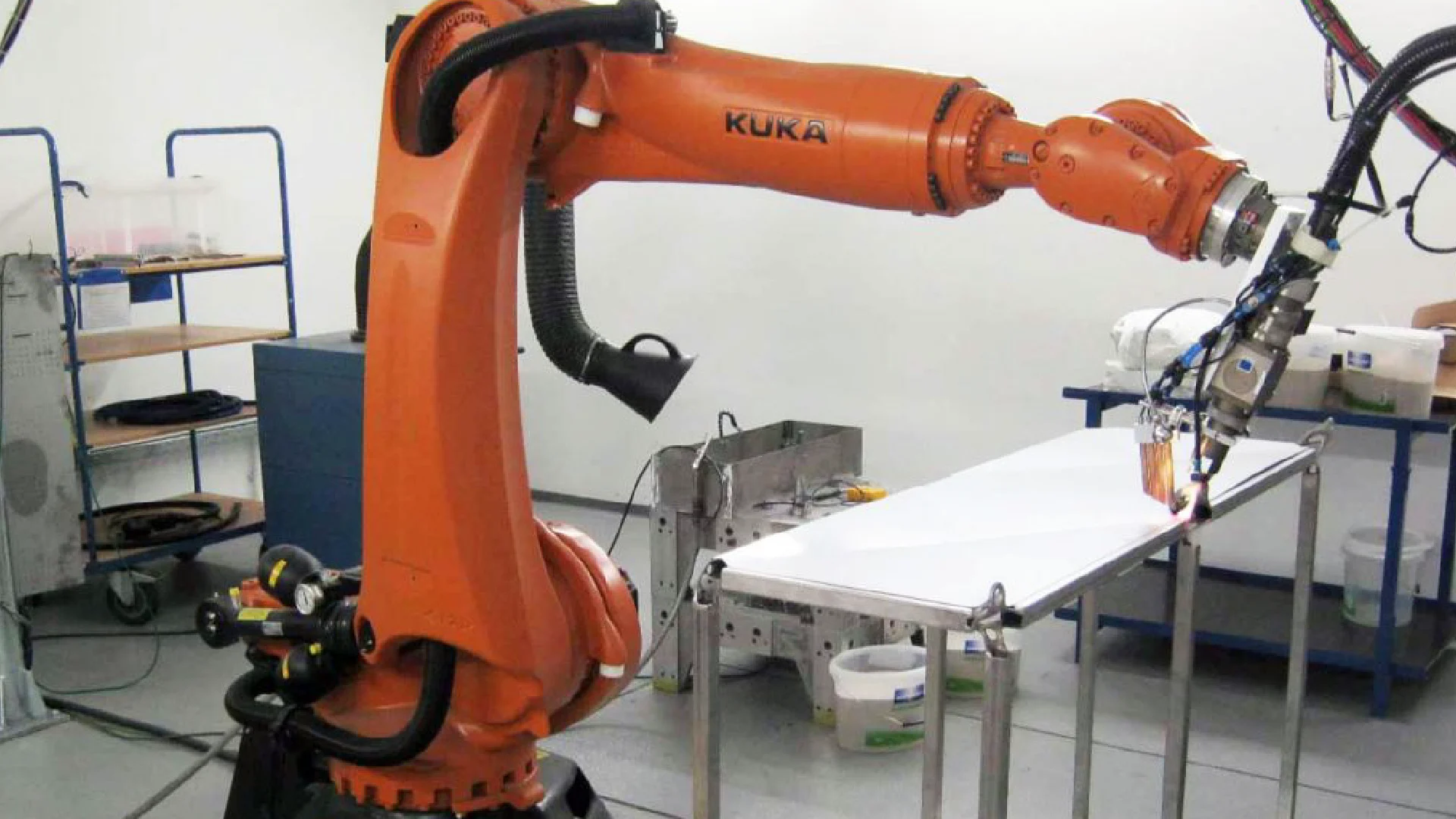
One of the most exciting tasks for Photon's experts is researching and developing innovative design methods and suitable manufacturing processes.
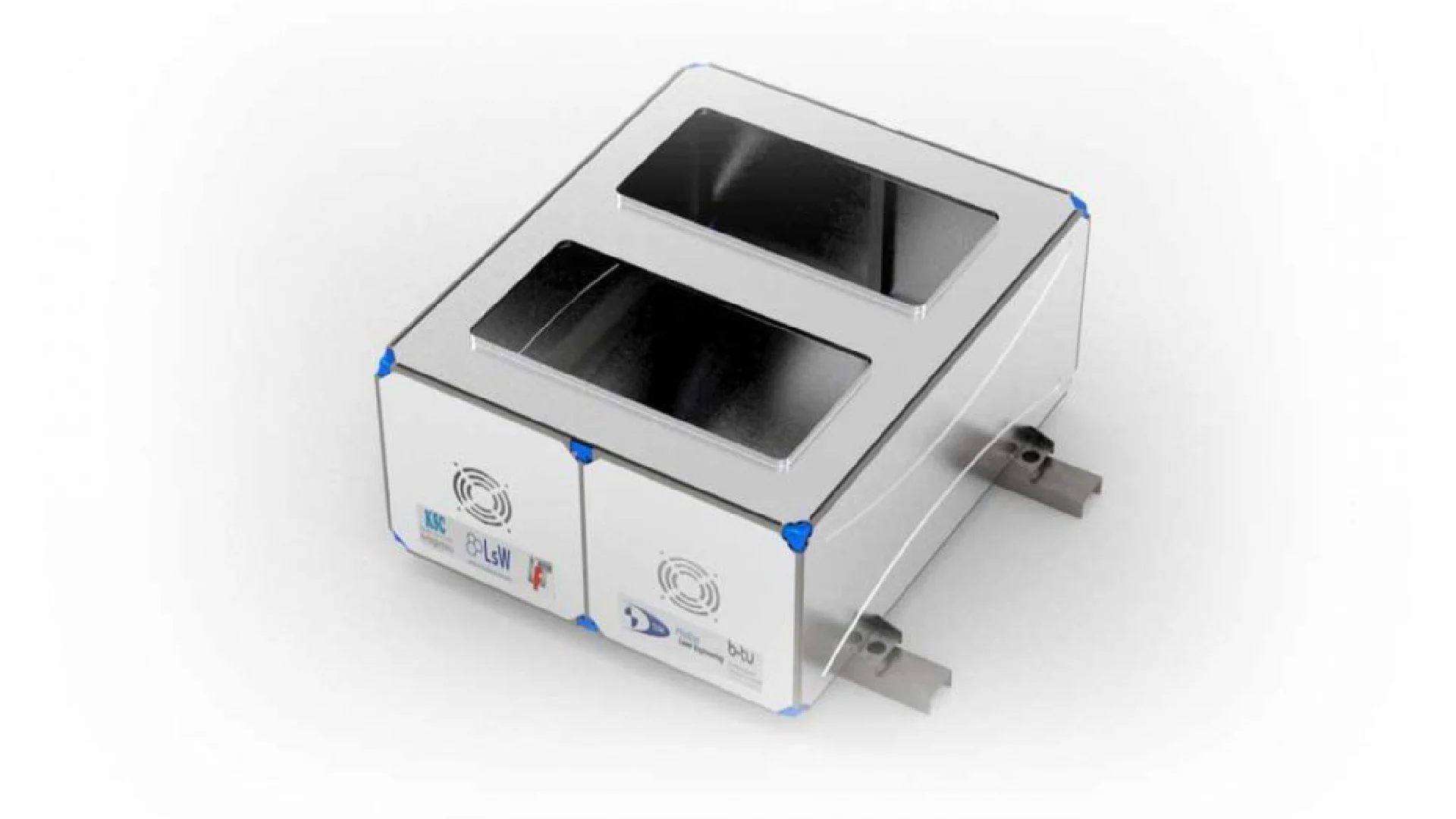
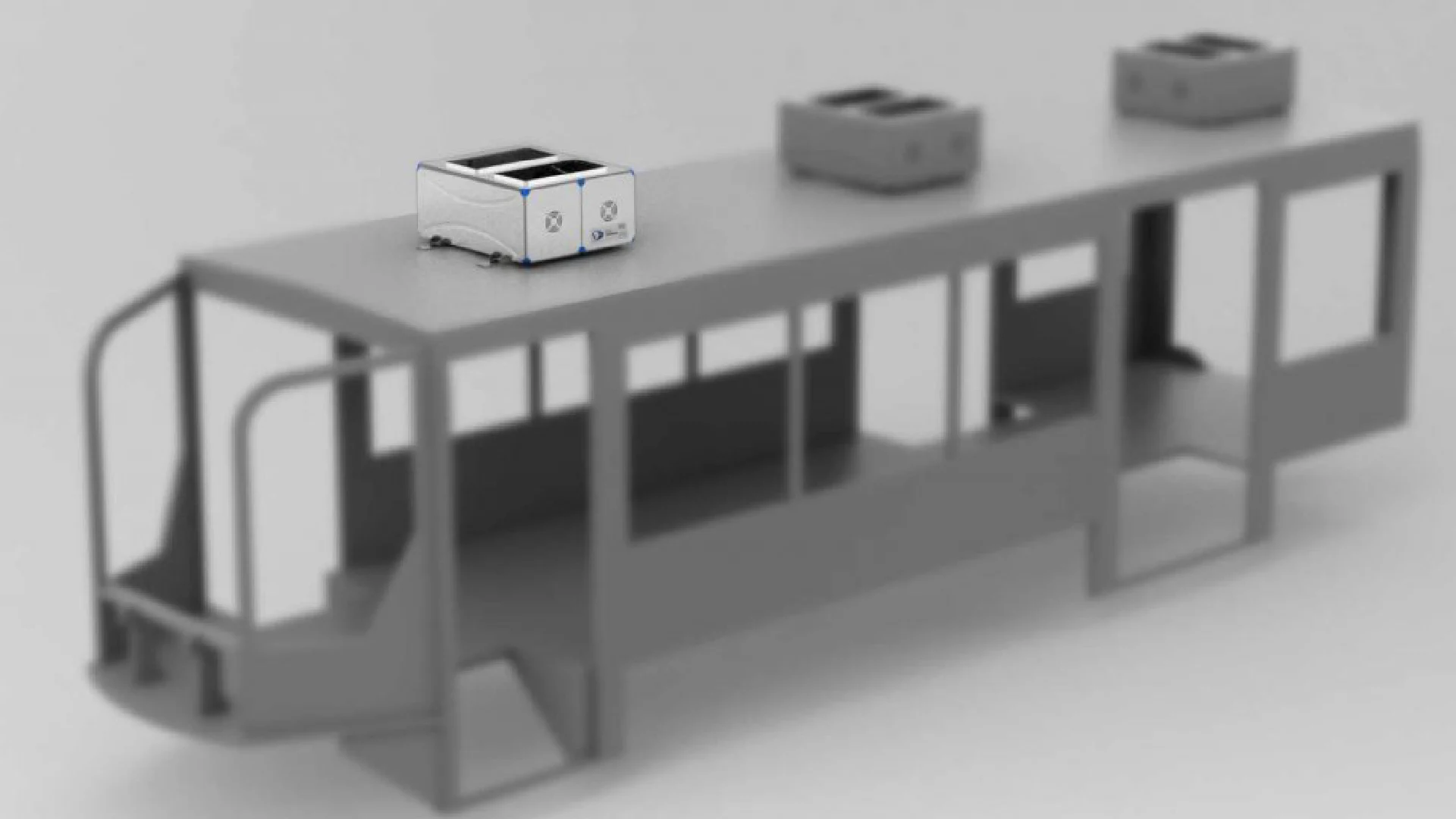
As part of a recent research project, Photon collaborated with the Brandenburg University of Technology (BTU) Cottbus and other partners to develop a groundbreaking lightweight equipment container system (LGS) for use in trains, buses, and ships to protect air conditioning systems, batteries, transformers, and gas tanks from stone chips and accidents. The background to the efforts to increase the use of lightweight components in the mobility sector is to increase efficiency and reduce emissions. Lightweight construction is seen as a key technology in this context.
Less weight, fewer emissions, same stability
The new feature compared to the individual special solutions currently in use is a modular design that allows for expansion using a modular system and thus a wide range of possible applications. This requires a suitable construction. For the innovative LGS, a shear panel-based design was chosen, a model familiar from aviation. This was combined with pioneering lightweight components (3D printing) and joining technologies (laser welding). The aim of the design: a material and thus weight saving of up to 20%.
Laser welding offers real advantages
The integration of Photon resulted from the properties of laser beam welding, which are particularly suitable for lightweight construction. The decisive factors here are, above all, the precise heat input into the joint, the low requirement for filler material, and the higher strength of the joint.
Prototype test successfully passed
Photon's expertise in laser welding made it possible to attach the hybrid laminate shear panels to a frame using laser welding. The frame is connected via movable, 3D-printed (SLM) nodes that have been load-optimized through simulation. The process windows developed for the selected components made it possible to create reliable and material-locked connections between the frame and the thrust fields (planking), as defined in the objectives. In the course of the tests, it was determined that the manufacturing process tested under prototype conditions could be transferred to small-batch production with little technological effort. A concept was also developed that describes how the LGS can be produced modularly and automatically in medium quantities (<200/year).
Ready for further projects
As part of the project funded by the Federal Ministry of Education and Research, the Photon experts also defined potential areas for improvement in the design, particularly with regard to the connection nodes produced in 3D printing. One challenge that still needs to be solved is the development of a manufacturing concept for the economical production of medium quantities. This requires further research and development projects in which Photon's laser welding experts can once again demonstrate their in-depth expertise.