Lightweight construction for mobility

Lower energy consumption

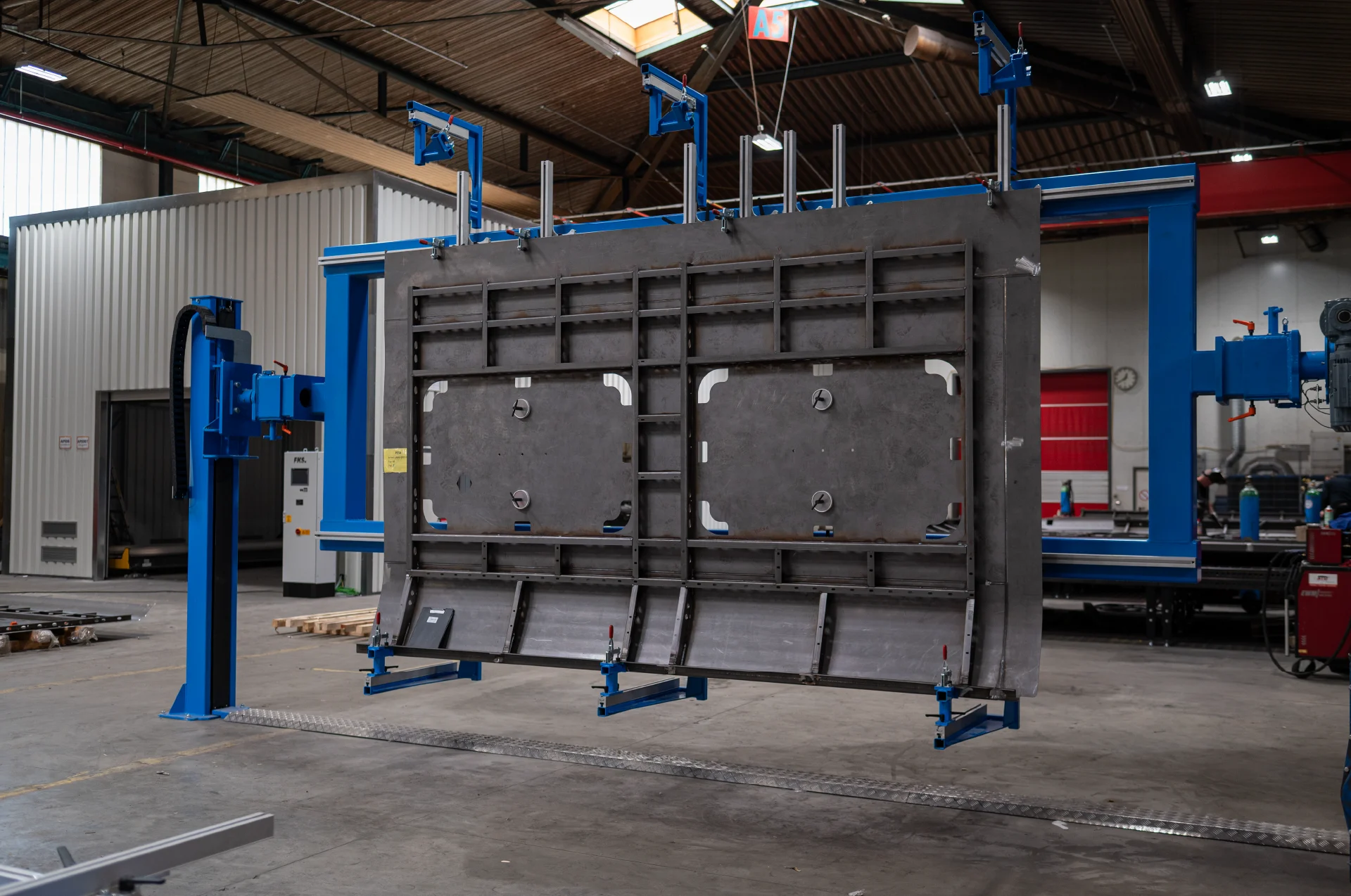
Lightweight construction through laser welding is key to energy efficiency and economical mobility. We use materials only where they are truly needed. With tailored blanks – sheets of varying thickness – wall thicknesses can be precisely adapted to the loads of individual areas. T-joints replace bulky flanges that would be necessary with conventional methods, enabling more compact structures. This results in high-strength, low-distortion components with significantly reduced weight. The advantages: lower energy consumption, less wear, reduced costs, and more capacity for passengers or payload. At the same time, laser welding opens up new design possibilities – from bionic structures to multifunctional assemblies. And safety remains fully guaranteed: we work with high-strength steels and precisely document our processes.

T-Joints & Design Freedom

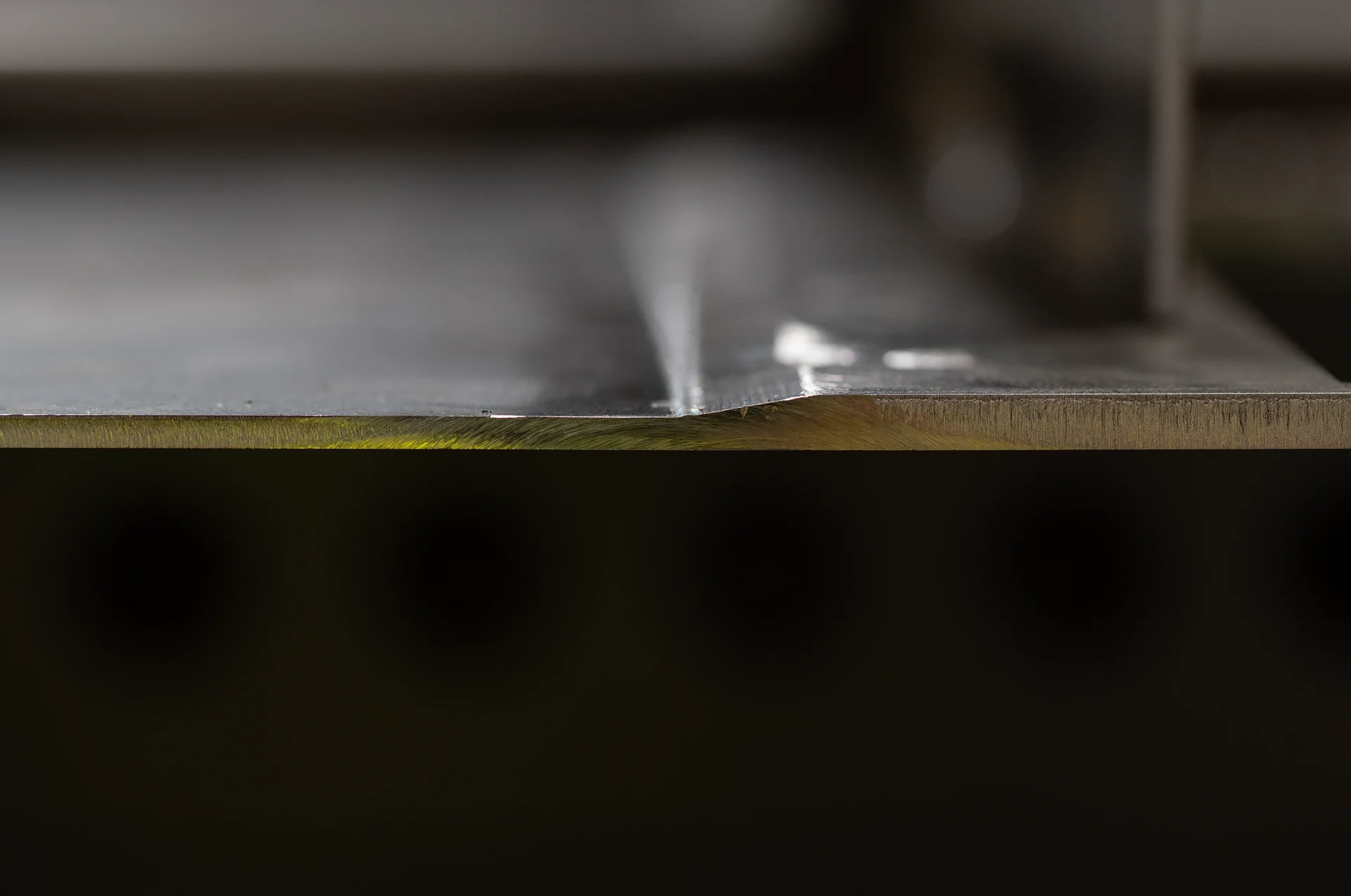
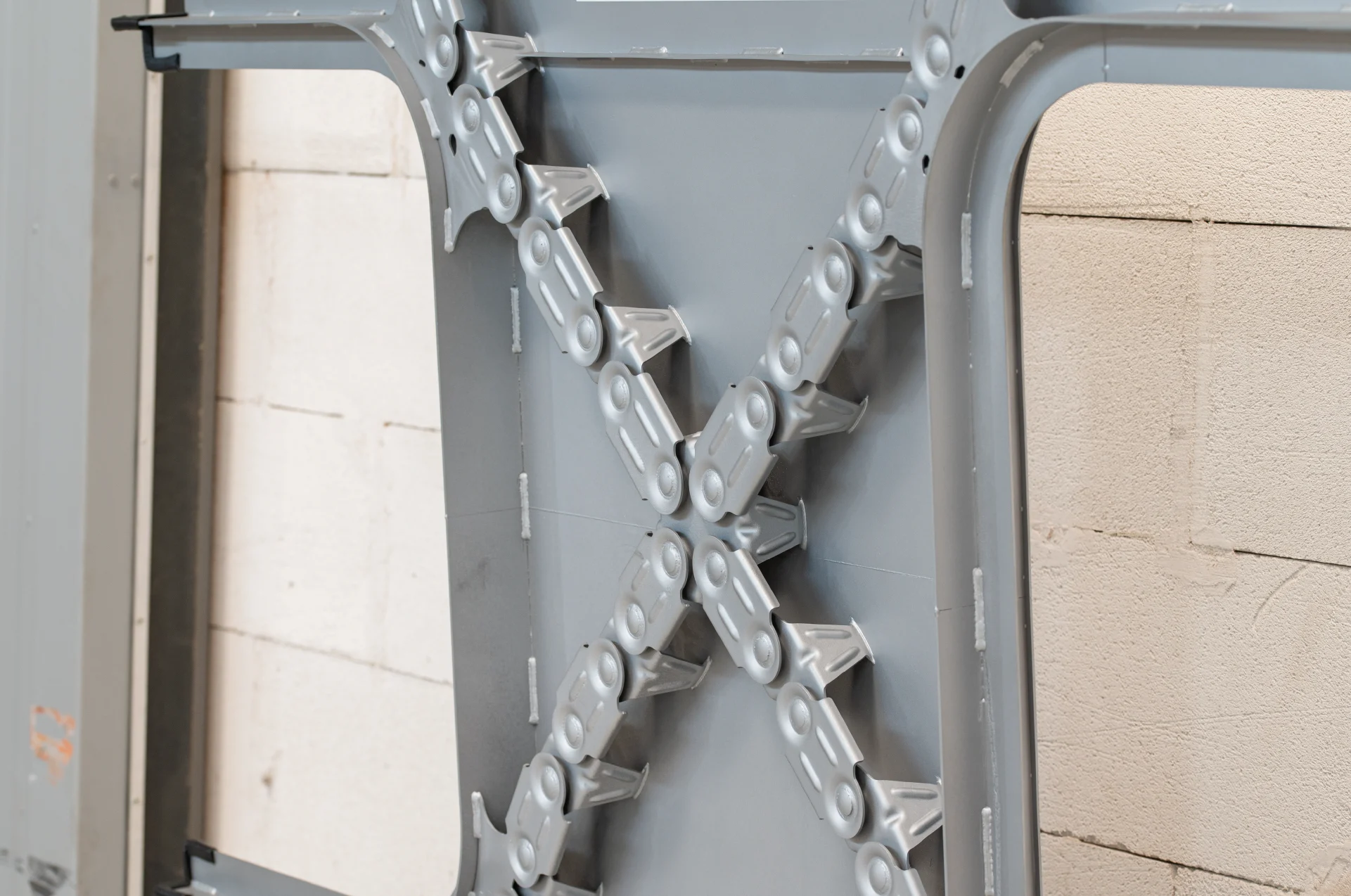
Laser-welded T-joints eliminate the need for flanges, which would be necessary for resistance spot welding. This reduces weight, creates additional installation space, and enables more compact structures. Especially in complex assemblies such as side walls or roofs, this opens up new freedoms for architects and designers—for example, more space for passenger comfort, battery integration, or digital systems. At the same time, the structures benefit from greater efficiency and easier assembly.

Material Savings & Tailored Blanks

With Tailored Blanks, we use sheet metal thicknesses specifically where loads occur—for example, in complex side walls or roof structures. This eliminates the need for oversized safety reserves in areas subject to low loads. This saves weight, reduces material costs, and lowers CO₂ emissions in the value chain. Instead of designing entire assemblies according to the “weakest link,” we use intelligent dimensioning. The result: lighter, more efficient structures with the same service life – an ideal solution for energy-optimized rail vehicles.

Process Speed & Efficiency

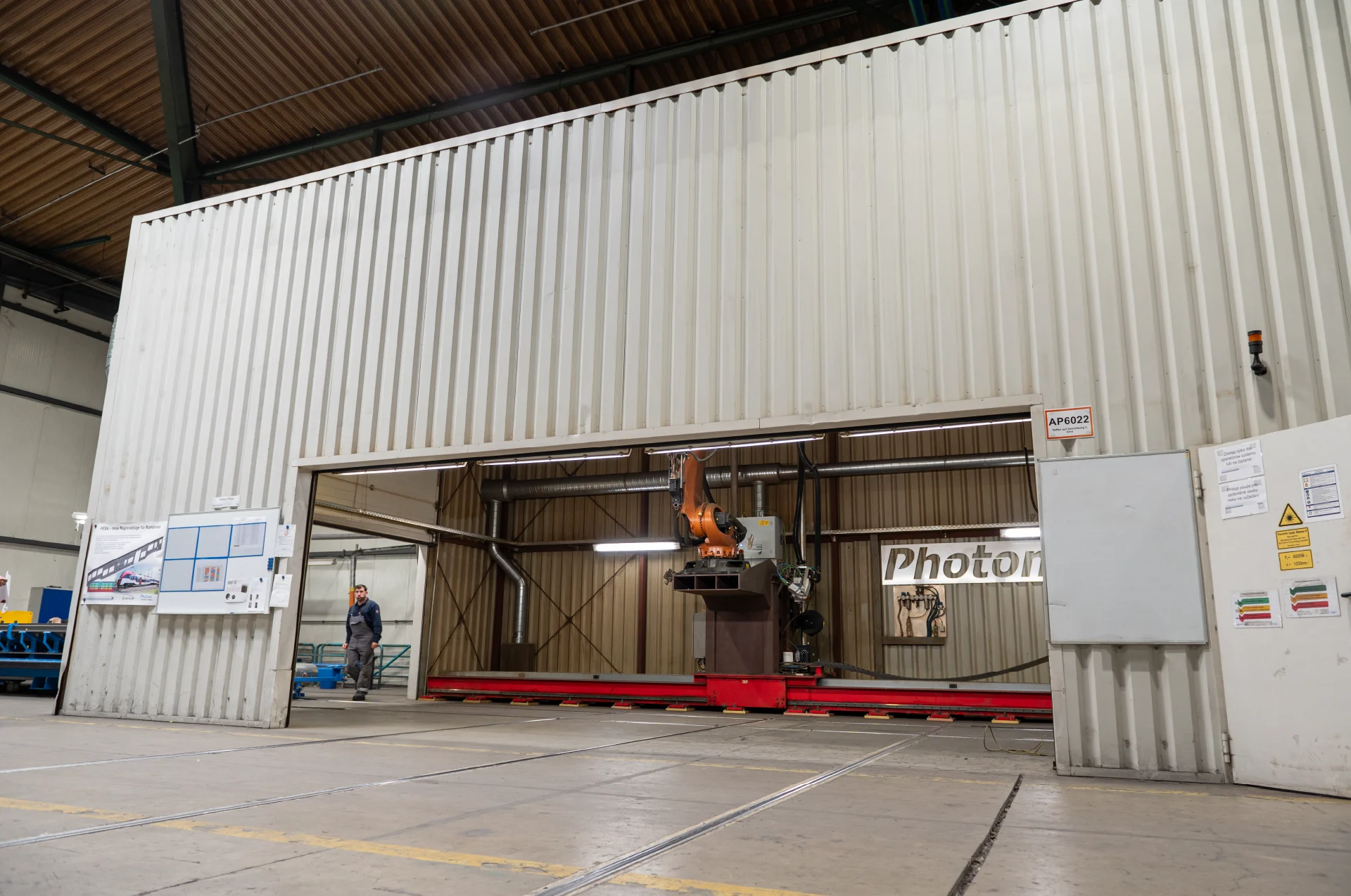
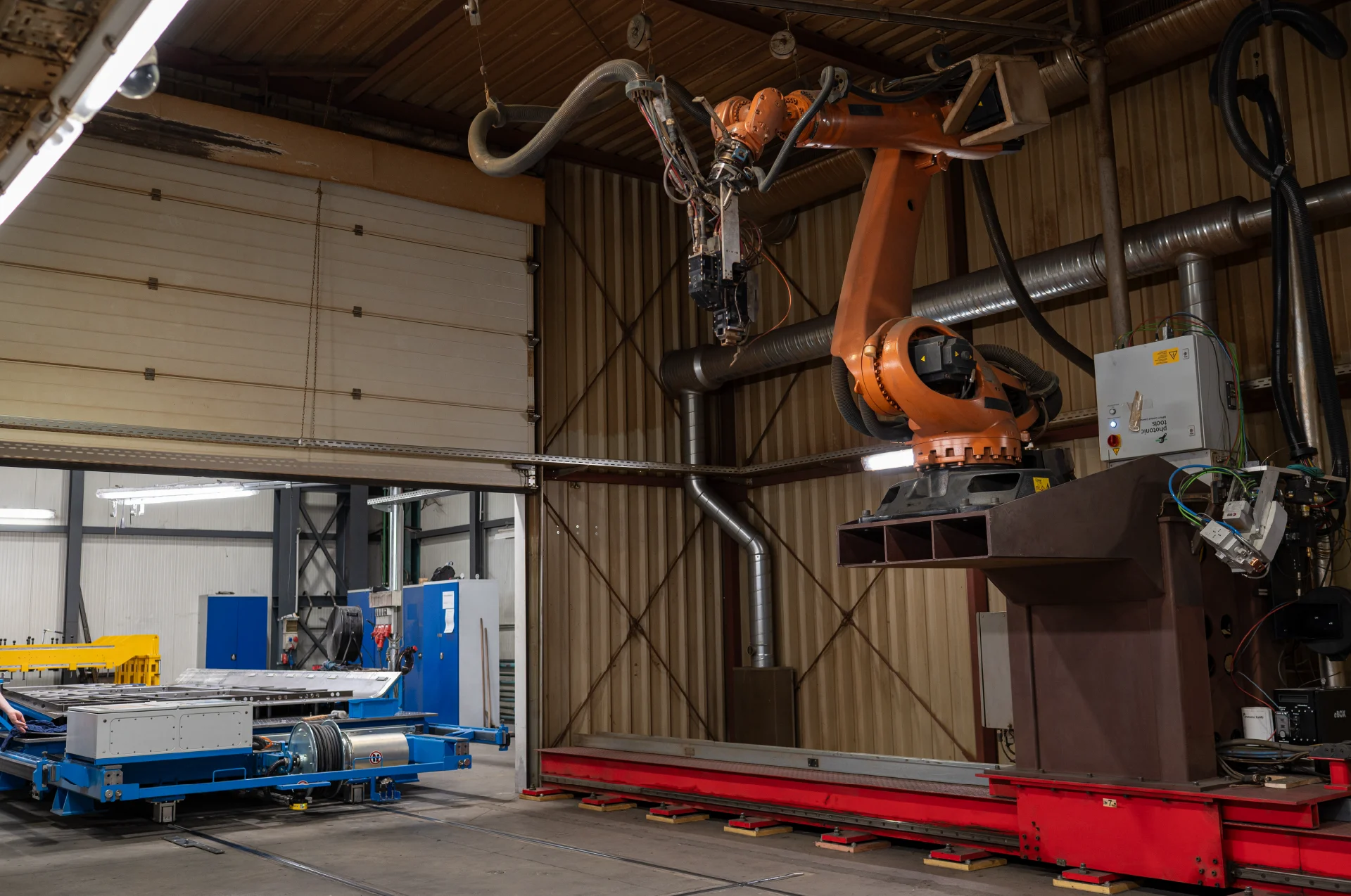
Laser beam welding achieves up to ten times the welding speeds compared to conventional gas metal arc welding processes. Automated robotic systems run continuously, while offline programming eliminates setup times. For customers, this means:

  • shorter delivery times
  • Predictable series production and rapid implementation of prototypes or specification changes.

Efficiency is not only achieved in the welding process itself, but throughout the entire production logistics.

Bionic Structures & Functional Integration

Laser welding can be used to produce geometries that cannot be achieved using conventional methods. Among other things, we develop bionic structures that are based on real force curves: minimal use of material with maximum stability. Less weight also means greater efficiency and opens up new possibilities in vehicle design.